What kinds of skills are useful for those who are going to study abroad?

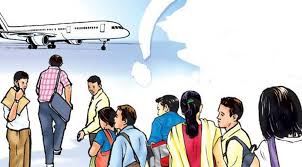
Studying abroad is a great opportunity for gaining new perspectives, knowledge, and experience. However, this journey can also be expensive and challenging. Currently, there is a growing trend of students going abroad for higher education from Nepal. Yet, due to a lack of practical skills, many students often face difficulties in foreign countries.
By learning some useful skills before going abroad, students can not only achieve academic success but also gain long-term career benefits.
In this article, we discuss the essential skills students should develop before studying abroad, categorized into language, personal development, cultural, technical, professional, and legal skills.
Language Skills
The first and most important skill for studying abroad is language. English is widely used in many countries, but in some destinations, learning the local language is necessary. The more proficient you are in the language, the better you will perform academically and professionally. Strong language skills can also increase your chances of finding part-time work.
Since English is taught from school level in Nepal, students may already have a foundation. However, simply passing exams such as IELTS is not enough. You must be able to communicate daily, understand lectures, and write assignments confidently.
You can improve your English through online platforms such as Duolingo, Coursera, and YouTube. For example, if you plan to study in the United States or Australia, understanding different accents can be challenging. Listening to audio materials from your destination country can be very helpful.
If you are planning to study in countries like Germany, France, or Japan, learning German, French, or Japanese will make daily life much easier. Without language skills, simple tasks like grocery shopping, using public transportation, or making local friends can become stressful.
Personal Development and Self-Management Skills
Living abroad often means living independently. In Nepal, family support is common, but abroad you must manage everything yourself. Many students struggle because they are not used to handling responsibilities alone. Therefore, developing independence before leaving is crucial.
Time management is one of the most important skills. You must balance studies, part-time work, household chores, and personal time. Poor time management can quickly lead to stress and academic problems.
Budget management is equally important. Living expenses abroad are usually high. Learning to track expenses, save money, and cut unnecessary costs is essential. Using tools like Excel to plan a monthly budget before leaving Nepal can be very helpful.
Basic life skills such as cooking, laundry, and cleaning are also necessary. You may not always find Nepali food abroad, so learning simple Nepali and local recipes can help you stay healthy and save money.
Stress management is another key soft skill. Students may experience loneliness or culture shock. Practices such as meditation, yoga, or journaling can help maintain emotional well-being.
Cultural Skills
Studying abroad is also an opportunity to understand new cultures, traditions, and values. Developing cultural awareness is very important. You should learn about the customs, food habits, and social norms of your destination country.
For example, in many Western countries, personal space is highly valued, whereas Nepali society is more community-oriented. Reading cultural guides online can help you adjust more easily.
Building international friendships and maintaining professional connections is another important skill. Platforms like LinkedIn can help you expand your network. You will work with people from different races, religions, and genders, so developing respect and removing personal biases is essential. These skills will benefit you long after graduation.
Technical and Digital Skills
In today’s digital age, technical knowledge is essential. Universities abroad heavily rely on online systems and digital resources. Students should have basic knowledge of tools such as Microsoft Office and Google Workspace.
Skills such as creating presentations, basic data analysis, and even introductory coding can be advantageous. Familiarity with academic journals, plagiarism-checking tools, cybersecurity basics, and remote learning systems will make your academic journey smoother.
Professional Skills
The primary goal of studying abroad is often to build a successful career. Therefore, students should develop professional skills alongside their studies.
Learning how to write an international-standard CV, updating your professional profile on LinkedIn, and preparing for interviews are crucial steps.
You should also understand the work regulations in your destination country, whether for internships or part-time jobs. Skills such as customer service, teamwork, and leadership are highly valued globally.
Additionally, it is important to understand visa regulations, health insurance requirements, and emergency procedures in your host country.
Legal Knowledge
Understanding the laws of the country you are moving to is essential. Without proper legal awareness, students may unintentionally face legal trouble. Some behaviors considered normal in Nepal may be illegal in another country.
It is advisable to research local laws, rules, and regulations of the city where you will live. Educational consultancies sometimes provide basic legal guidance, but students should also independently research and learn. If you know someone already living in that country, asking them for practical advice can also be helpful.
Conclusion
Studying abroad is not just about academic qualifications—it is about preparing yourself holistically. By developing language, personal, cultural, technical, professional, and legal skills before departure, students can reduce challenges and increase their chances of success.
Preparation is the key to turning your study abroad dream into a rewarding and life-changing experience.